6.7 Cummins Serpentine Belt Diagram by Accessory Layout
6.7 Cummins belt-routing guide for Ram 2500/3500 trucks, explaining single- versus dual-alternator layouts, pulley identification, tensioner checks.
There is no single safe 6.7 Cummins serpentine-belt diagram for every Dodge/Ram truck. Routing changes with model year and accessory content, especially single- versus dual-alternator packages. Match the underhood routing label, VIN/build data, alternator count, A/C equipment, and Cummins engine serial number before installing a belt.
A search for a 6.7 Cummins belt diagram often lands on a clean drawing with no year or accessory code. That is risky. Ram offered different alternator packages and changed front-end accessory arrangements across the engine's long production run. A belt can appear to fit while bypassing an idler, contacting a smooth pulley on its ribbed face, or leaving too little tensioner travel.
The correct workflow starts with the truck, not a generic engine photo. Record the VIN and build date, count the alternators, inspect the underhood emissions/routing labels, and use the Cummins engine serial number when looking up belt parts. The routing label controls the final path; the map below helps verify that the installed path is mechanically coherent.
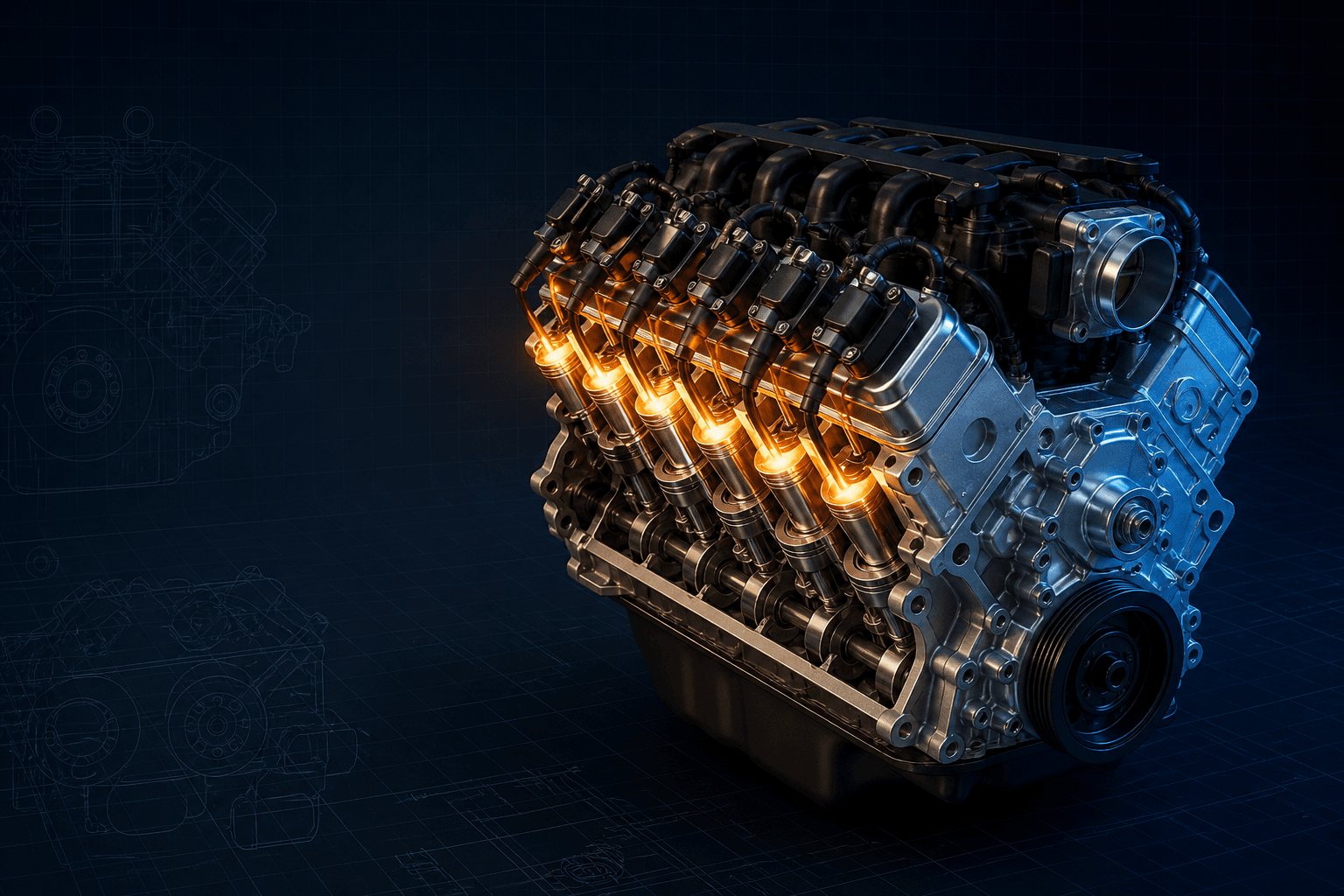
6.7L Cummins routing-verification map
Branded downloads includedPNG and PDF exports carry the TorqueSheet logo, torquesheet.com, source-page URL, and republishing attribution request. The PDF source link is clickable.
This interactive map is a verification sequence, not a universal physical wrap. Use the truck's routing label for the final pulley-to-pulley path.
Dodge 6.7 Cummins Serpentine Belt Diagram
| APPLICATION / ITEM | SPECIFICATION | NOTES |
|---|---|---|
| Configuration check | Single or dual alternator | Count alternators before selecting a route |
| Primary reference | Underhood routing label | Match VIN/build and installed accessories |
| Engine reference | Cummins ESN / option detail | Use QuickServe for the installed engine |
| Grooved pulley contact | Ribbed belt face | Crank, alternator and other grooved drives |
| Smooth pulley contact | Belt back | Smooth idlers and tensioner |
The ribbed side of the belt drives grooved pulleys; the smooth back of the belt runs on smooth idlers and the automatic tensioner. That rule helps detect a misroute, but it does not replace the configuration-specific path.
How to use this specification correctly
- 01
Park, cool the engine, disconnect battery negative cables as required, and photograph the original route before releasing tension.
- 02
Record VIN/build date and Cummins ESN, then count alternators and note A/C and any PTO-driven accessory.
- 03
Compare the truck's underhood routing label with the installed pulley set; stop if a pulley or accessory differs.
- 04
Use the specified tensioner drive point and keep hands clear of the spring-loaded arm while removing or installing the belt.
- 05
Seat every rib fully, confirm the belt back contacts only smooth pulleys, then rotate the engine by hand in its normal direction where the service procedure permits.
- 06
Start briefly, observe tracking from a safe distance, shut down, and recheck seating and tensioner position.
Why one online routing picture is not enough
The 6.7L Cummins is installed in multiple Ram model years and duty configurations. Dual-alternator equipment adds a driven pulley and changes belt length and wrap. Service replacements, snow-plow or ambulance packages, and aftermarket accessories can further separate the truck from a base diagram.
Cummins therefore supports belt identification through engine-serial-number and option data. Ram's manual treats the belt and tensioner as inspectable service items, while the vehicle routing label and service information establish the actual configuration.
Pulley-face sanity check
- Ribbed belt face belongs on grooved driven pulleys.
- Smooth belt back belongs on smooth idlers and the smooth tensioner pulley.
- The belt must sit inside every groove, not one rib off the edge.
- No span may rub a hose, wiring loom, fan shroud, damper, or adjacent pulley.
- The tensioner indicator must remain in its usable range with the specified belt.
Inspect before installing a new belt
- Spin idlers and accessory pulleys by hand with the belt removed; check roughness, play, noise, and binding.
- Inspect the automatic tensioner for a weak spring, seized pivot, damaged stop, or pulley misalignment.
- Look for coolant, oil, or fuel contamination and repair the leak before fitting the new belt.
- Check the crank damper for separation or wobble.
- Replace a damaged pulley rather than expecting a new belt to correct tracking.
After installation
A correctly routed belt should track centrally and quietly. Chirp, edge fraying, visible walk, a bouncing tensioner, or a belt that rides out of a groove requires immediate shutdown and reinspection.
Do not use belt dressing. It masks symptoms and contaminates the belt. Confirm part number, routing, pulley alignment, tensioner condition, and accessory bearings instead.
Dodge / Ram 6.7L Cummins specifications can change by model year, engine, platform, wheel, and installed component. Confirm the VIN or engine identity, part numbers, fastener condition, and the current manufacturer instructions before service.
6.7 Cummins Serpentine Belt Diagram by Accessory Layout FAQs
Is the 6.7 Cummins belt route the same with dual alternators?+
No. The additional alternator changes the pulley path and normally the belt specification. Use the layout-specific routing label and part lookup.
Which side of a serpentine belt touches an idler?+
A smooth idler normally contacts the smooth back of the belt; a grooved pulley contacts the ribbed face. Verify the actual pulley surface.
Can I route the belt from memory if it fits?+
No. A wrong route can still appear to fit but produce poor wrap, incorrect tension, reversed pulley contact, or interference.
Where do I find the Cummins engine serial number?+
Use the engine data plate and vehicle documentation, then confirm it in Cummins QuickServe. Do not substitute the truck VIN for the ESN.
Should I replace the tensioner with the belt?+
Not automatically, but inspect its bearing, pivot, spring force, alignment, stop, and operating range. Replace it when it fails the applicable service checks.
Technical sources
TorqueSheet favors engine- and component-specific manufacturer instructions over unsourced universal values.
12025 Ram 2500/3500 Owner's ManualRam identifies the 6.7L engine compartment and requires periodic inspection of the accessory-drive belt and automatic tensioner.↗2Cummins QuickServe Genuine Belts and ESN lookupCummins directs owners to identify the correct belt by engine serial number and option data because accessory-drive content varies by application.↗