Dodge 5.9 Cummins Fuel System Diagram by Generation
5.9 Cummins fuel-flow diagrams for 1989–1998 12-valve VE/P7100, 1998.5–2002 VP44, and 2003–2007 common-rail Dodge Ram engines.
A 5.9L Cummins fuel diagram must be selected by generation. The 1989–1998 12-valve uses a mechanical rotary VE or inline P7100 injection pump; the 1998.5–2002 24-valve uses an electronically controlled Bosch VP44 distributor pump; and the 2003–2007 24-valve uses a high-pressure common-rail pump, shared rail, and electronically controlled injectors.
The phrase “5.9 Cummins fuel system” spans nearly two decades of Dodge pickup production. The cast-iron inline-six architecture remained recognizable while fuel control changed from fully mechanical injection to electronically managed distributor injection and finally high-pressure common rail.
This page organizes the system by injection architecture rather than calling every component a fuel pump. The low-pressure lift or transfer pump moves fuel through filtration. The injection pump creates and meters high pressure. On common-rail engines, the rail stores and distributes that pressure while the ECM commands individual injectors.
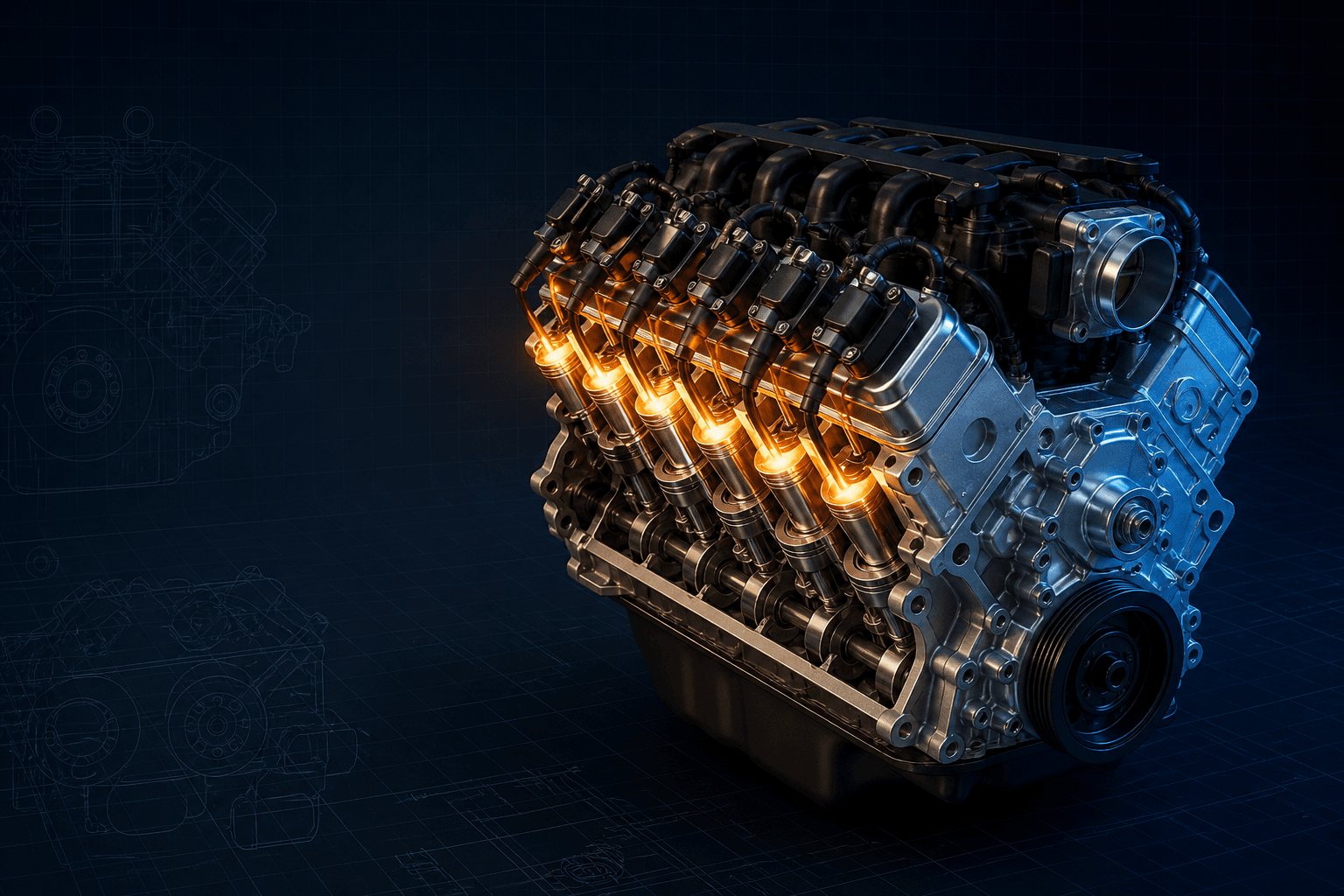
Interactive 5.9L Cummins generation selector
Branded downloads includedPNG and PDF exports carry the TorqueSheet logo, torquesheet.com, source-page URL, and republishing attribution request. The PDF source link is clickable.
The low-pressure path is similar; select the correct high-pressure architecture before opening a line or ordering parts.
Dodge 5.9 Cummins Fuel System Diagram
| APPLICATION / ITEM | SPECIFICATION | NOTES |
|---|---|---|
| 1989–1993 12-valve | Bosch VE rotary pump | Mechanical high-pressure distribution |
| 1994–1998 12-valve | Bosch P7100 inline pump | One high-pressure pumping element per cylinder |
| 1998.5–2002 24-valve | Bosch VP44 | Electronic distributor injection pump |
| 2003–2007 24-valve | High-pressure common rail | CP3-type supply to shared rail; verify model year |
| Contamination rule | Keep fuel clean and water-free | Pump and injector tolerances are damage-sensitive |
All three begin with tank pickup, low-pressure supply, water separation/filtration, and an injection-pump inlet, but their high-pressure sides are fundamentally different. Applying a common-rail drawing to a VP44 truck—or a P7100 pressure assumption to either electronic system—creates incorrect diagnosis and unsafe service steps.
How to use this specification correctly
- 01
Read the model year and engine data label, then visually identify VE, P7100, VP44, or common-rail hardware.
- 02
Document any relocated lift pump, added filters, draw-straw/sump, pressure regulator, or injection-pump conversion.
- 03
Separate low-pressure supply testing from high-pressure injection diagnosis.
- 04
Check tank contamination, restriction, air entry, water separation, filter condition, electrical supply where applicable, and return restriction using generation-specific procedures.
- 05
Never loosen a high-pressure common-rail line on a running or cranking engine; use electronic data and approved test equipment.
1989–1998 12-valve: VE and P7100
The early 12-valve path supplies filtered low-pressure fuel to a mechanically governed injection pump. The VE rotary pump distributes high-pressure pulses through six individual lines. The later P7100 is an inline pump with a pumping element for each cylinder, again feeding individual injector lines.
Timing, shutdown, throttle control, overflow regulation, and return plumbing differ between VE and P7100 systems. They are both mechanical, but that does not make their pumps, test pressures, timing methods, or fittings interchangeable.
1998.5–2002 24-valve: VP44
The VP44 retains six individual high-pressure lines but adds electronic control inside a rotary distributor pump. It depends on adequate clean, cool low-pressure fuel supply. A supply-pump, electrical, timing, sensor, or internal VP44 problem can overlap in symptoms.
Do not diagnose the VP44 solely by listening for a lift pump. Measure supply conditions and follow the Dodge/Cummins fault-code procedure for the exact truck. Aftermarket pumps and relocated filter systems require their own installation diagram.
2003–2007 24-valve: high-pressure common rail
The common-rail generation uses a high-pressure pump to feed a shared accumulator rail. The ECM uses rail-pressure feedback and commands each injector electrically. Unlike VE, P7100, and VP44 systems, the high-pressure pump does not mechanically distribute one line event per cylinder.
Common-rail pressure is dangerous even after shutdown. Never use fingers or cardboard to search for a leak, and never crack a line as a casual bleeding method. Follow the specified pressure-relief and contamination-control process.
Low-pressure supply problems common to every generation
- Restricted or damaged tank pickup.
- Air entry on the suction side.
- Water, gasoline, microbial growth, rust, or debris contamination.
- Plugged or incorrectly installed filter.
- Weak or electrically inactive lift/transfer pump.
- Restricted return or incorrect aftermarket regulator setting.
How to avoid buying the wrong parts
- Use year and engine serial/data label.
- Photograph the injection pump and filter housing.
- Count individual high-pressure lines and identify whether a shared rail is present.
- Record aftermarket pump and filter part numbers.
- Confirm connector style and production break before ordering.
Dodge 5.9L Cummins specifications can change by model year, engine, platform, wheel, and installed component. Confirm the VIN or engine identity, part numbers, fastener condition, and the current manufacturer instructions before service.
Dodge 5.9 Cummins Fuel System Diagram by Generation FAQs
Are all 5.9 Cummins fuel systems the same?+
No. Dodge pickup applications use VE, P7100, VP44, and high-pressure common-rail architectures across the 1989–2007 period.
What fuel system does a 12-valve Cummins use?+
1989–1993 pickup engines commonly use a Bosch VE rotary pump; 1994–1998 engines commonly use a Bosch P7100 inline pump.
What fuel system does a 24-valve 5.9 Cummins use?+
1998.5–2002 engines use the Bosch VP44 distributor pump. The 2003–2007 pickup generation uses high-pressure common rail.
Can a weak lift pump damage an injection pump?+
Inadequate or contaminated low-pressure supply can impair pump lubrication, cooling, filling, and performance. Test the exact generation rather than applying one pressure number to every system.
Can I loosen a common-rail injector line to check fuel?+
No. Common-rail fuel can penetrate skin and cause severe injury. Use the approved scan-data and pressure-test procedure.
Technical sources
TorqueSheet favors engine- and component-specific manufacturer instructions over unsourced universal values.
1Cummins 5.9L-to-6.7L pickup-engine historyCummins separates the 5.9L's rotary/inline mechanical-pump, VP44-era direct-injection, and 2003-onward common-rail generations.↗2Cummins fuel-system technology overviewCummins explains the supply path through transfer pump and filtration to the injection pump and injectors.↗