Subaru Forester 2.5 Oil Capacity by Model Year
Forester 2.5L oil-capacity chart with filter-included values, generation breaks, refill procedure, dipstick checks, FAQs, cautions, and manufacturer sources.
Subaru lists 5.1 US qt (4.8 L) for the 2014–2018 naturally aspirated 2.5L during an oil-and-filter change, while the 2019-and-newer direct-injected 2.5L application uses 4.4 US qt (4.2 L).
Subaru lists 5.1 US qt (4.8 L) for the 2014–2018 naturally aspirated 2.5L during an oil-and-filter change, while the 2019-and-newer direct-injected 2.5L application uses 4.4 US qt (4.2 L). That published capacity is a service starting point, not permission to empty the last fraction of a bottle into the crankcase. Drain time, oil temperature, cooler volume, filter construction, vehicle angle, and residual oil all affect the amount required to reach the dipstick's full mark.
The clean dividing line is the 2019 model redesign. Subaru's own 2018 quick guide publishes 5.1 qt, while its later guide publishes 4.4 qt; identical displacement does not mean an identical pan and refill. This guide separates the generations in the table, keeps filter-included and filter-excluded figures distinct, and explains a repeatable refill check. Do not pour five quarts into a later direct-injected Forester before checking the stick. Also exclude the 2.0XT turbo, whose capacity, viscosity and filter application are separate.
Refill below the listed total first, start the engine long enough to fill the filter, inspect for leaks, shut it down, wait on level ground, and finish by dipstick. That process protects against both an underfilled engine and the aeration, leakage, or catalyst trouble that overfilling can cause.
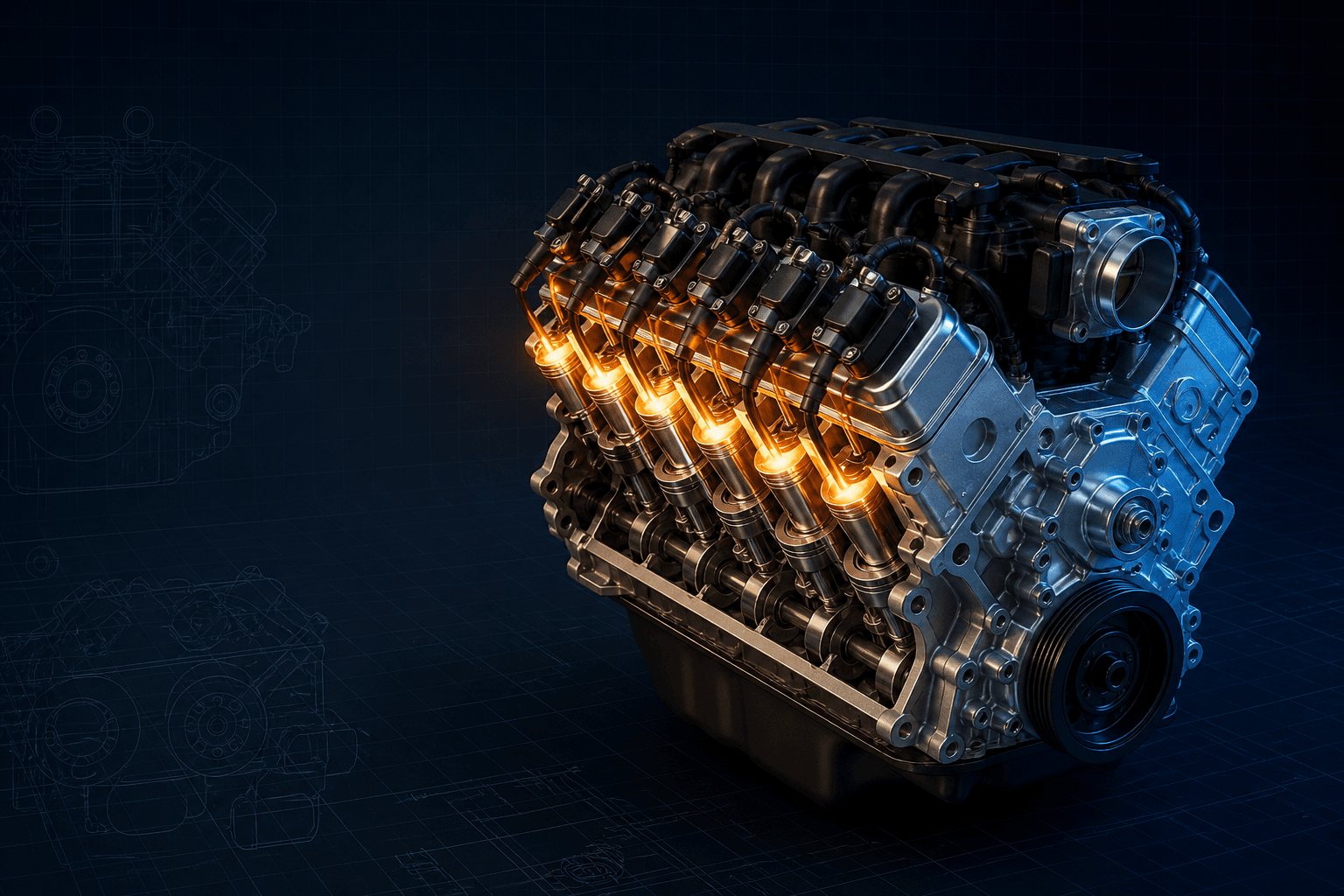
Interactive Subaru Forester 2.5L oil-service workflow
Branded downloads includedPNG and PDF exports carry the TorqueSheet logo, torquesheet.com, source-page URL, and republishing attribution request. The PDF source link is clickable.
Follow the workflow from vehicle identification through final dipstick verification. Published capacities are starting quantities, not a substitute for the level check.
Subaru Forester 2.5 Oil Capacity
| APPLICATION / ITEM | SPECIFICATION | NOTES |
|---|---|---|
| 2014–2018 2.5L non-turbo | 5.1 US qt | 4.8 L during oil-and-filter change |
| 2019+ 2.5L direct injection | 4.4 US qt | 4.2 L during oil-and-filter change |
| Forester XT / turbo | Separate specification | Do not use the naturally aspirated row |
| Final level | Dipstick on level ground | Add in small increments near full |
The 2019 redesign reduced the published filter-change quantity by 0.7 qt even though the badge still reads 2.5. Subaru's guides also identify 0W-20 synthetic for these naturally aspirated applications, but the exact API/ILSAC approval should be taken from the same model-year publication.
The generation break that matters for Forester 2.5L
The clean dividing line is the 2019 model redesign. Subaru's own 2018 quick guide publishes 5.1 qt, while its later guide publishes 4.4 qt; identical displacement does not mean an identical pan and refill. Read the model-year and engine row together; a badge, displacement, or oil cap by itself may span more than one internal engine revision. The values below are drain-and-refill quantities with the filter unless the row says otherwise.
Do not pour five quarts into a later direct-injected Forester before checking the stick. Also exclude the 2.0XT turbo, whose capacity, viscosity and filter application are separate. Use the oil grade and manufacturer approval from the same model-year manual as the capacity. Capacity, viscosity, and approval are three separate specifications.
Oil-capacity chart for Forester 2.5L
Use the chart as an application lookup. The clean dividing line is the 2019 model redesign. Subaru's own 2018 quick guide publishes 5.1 qt, while its later guide publishes 4.4 qt; identical displacement does not mean an identical pan and refill. A capacity printed beside the wrong engine code is not “close enough”; even engines sharing the same displacement can have different pans, filters, coolers, or drain-back behavior. If the vehicle has been swapped, rebuilt, or fitted with an aftermarket pan, use the installed hardware manufacturer's capacity and calibration marks.
The most common current application begins near 5.1 US qt. Begin below that amount and finish by measurement. The difference between the add and full marks is often about one quart, but do not assume that relationship when the dipstick is aftermarket, damaged, or paired with a non-original tube. Investigate a reading that remains absent or implausibly high.
Do not pour five quarts into a later direct-injected Forester before checking the stick. Also exclude the 2.0XT turbo, whose capacity, viscosity and filter application are separate.
Common causes of a capacity mismatch
The 2019 redesign reduced the published filter-change quantity by 0.7 qt even though the badge still reads 2.5. Subaru's guides also identify 0W-20 synthetic for these naturally aspirated applications, but the exact API/ILSAC approval should be taken from the same model-year publication. If the verified dipstick result and the expected quantity disagree materially, stop and identify the cause instead of choosing whichever number is more convenient.
- The lookup used the model name but not the model year or engine code.
- The quoted figure excluded the filter while the filter was replaced.
- The vehicle was not level or the oil had not drained back before checking.
- An oil cooler, remote filter, aftermarket pan, engine swap, or incorrect dipstick changed the system.
- The old filter gasket remained on the housing or a leak began after startup.
- The crankcase was filled to the advertised capacity without a final dipstick check.
Subaru Forester 2.5L specifications can change by model year, engine, platform, wheel, and installed component. Confirm the VIN or engine identity, part numbers, fastener condition, and the current manufacturer instructions before service.
Procedures used with this specification
These steps are the same for every vehicle in this family, so they are documented once rather than repeated on each page. The values above remain specific to this Subaru Forester 2.5L.
Subaru Forester 2.5 Oil Capacity by Model Year FAQs
How much oil does the Forester 2.5L take?+
Subaru lists 5.1 US qt (4.8 L) for the 2014–2018 naturally aspirated 2.5L during an oil-and-filter change, while the 2019-and-newer direct-injected 2.5L application uses 4.4 US qt (4.2 L). Confirm the year/engine row and finish by the dipstick rather than treating the capacity as an exact pour-in amount.
Technical sources
TorqueSheet favors engine- and component-specific manufacturer instructions over unsourced universal values.
12018 Subaru Forester Quick Guide — engine-oil capacityPrimary Subaru publication listing 5.1 US qt (4.8 L) for the naturally aspirated 2.5L during an oil-and-filter change.↗22022 Subaru Forester Getting Started Guide — engine-oil capacityPrimary Subaru publication listing 4.4 US qt during an oil-and-filter change for the later 2.5L application.↗3Subaru vehicle resourcesPrimary Subaru model-year manual library.↗