Chevy 350 Rocker Arm Adjustment and Poly-Lock Torque
Chevy 350 Rocker Arm Adjustment and Poly-Lock Torque with application boundaries, staged installation guidance.
For Chevrolet Performance's covered self-aligning aluminum roller-rocker kit, set each hydraulic lifter at zero lash on the cam base circle, then turn the adjusting nut another 1/2 to 1 turn. Hold the nut and tighten the internal set screw to 15–20 lb-ft before locking both together no more than another 1/4 turn.
For Chevrolet Performance's covered self-aligning aluminum roller-rocker kit, set each hydraulic lifter at zero lash on the cam base circle, then turn the adjusting nut another 1/2 to 1 turn. Hold the nut and tighten the internal set screw to 15–20 lb-ft before locking both together no more than another 1/4 turn.
This procedure applies to the documented Chevrolet Performance self-aligning roller rocker and poly-lock arrangement on compatible small-block heads. Stock stamped rockers, solid lifters, stud girdles, pedestal conversions and other roller kits use their own instructions.
Confirm the pushrod is seated in the lifter and rocker cup and the valve tip is centered under the self-aligning roller. Chevrolet requires at least 0.040 in rocker-to-retainer clearance, 0.020 in nut-to-rocker clearance and 0.040 in pushrod-to-head clearance throughout the complete motion.
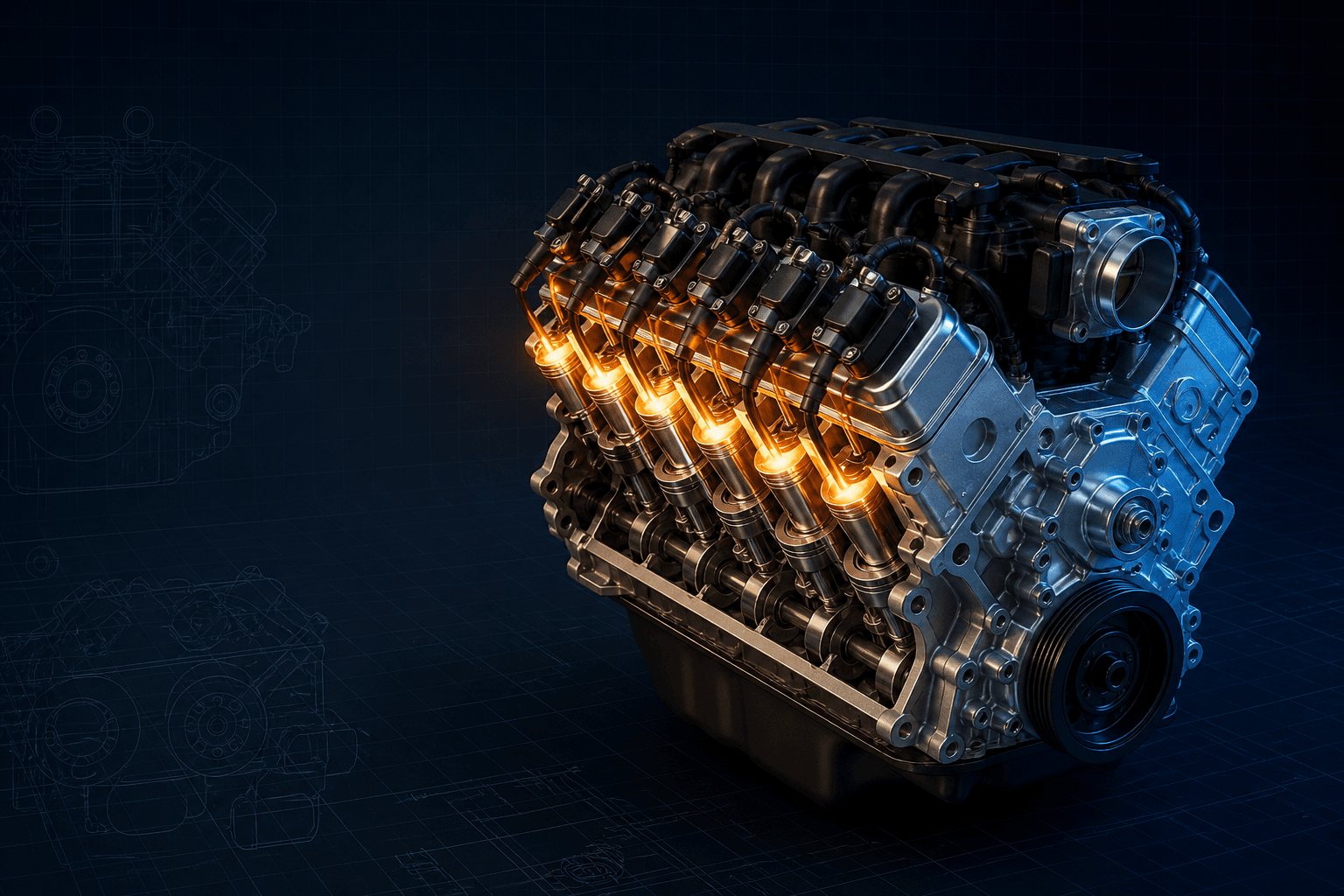
Interactive Chevrolet Performance 350 with Self-Aligning Roller Rockers valve service map
Branded downloads includedPNG and PDF exports carry the TorqueSheet logo, torquesheet.com, source-page URL, and republishing attribution request. The PDF source link is clickable.
Use the numbered map as an orientation aid only. The application-specific service diagram controls the actual bolt positions and stages.
Chevy 350 Rocker Arm Torque Specs
| APPLICATION / ITEM | SPECIFICATION | NOTES |
|---|---|---|
| Hydraulic-lifter preload | Zero lash + 1/2–1 turn | Lifter must be on cam base circle |
| Poly-lock set screw | 15–20 lb-ft | Hold adjusting nut stationary |
| Final locking movement | 1/4 turn maximum | Nut and set screw together |
| Rocker/retainer and pushrod clearance | 0.040 in minimum | Check throughout full lift |
| Nut-to-rocker clearance | 0.020 in minimum | Check valve open and closed |
Confirm the pushrod is seated in the lifter and rocker cup and the valve tip is centered under the self-aligning roller. Chevrolet requires at least 0.040 in rocker-to-retainer clearance, 0.020 in nut-to-rocker clearance and 0.040 in pushrod-to-head clearance throughout the complete motion.
How to use this specification correctly
- 01
Identify the engine code, model year, casting, gasket and exact fastener kit before disassembly.
- 02
Clean and inspect threads, bolt holes and mating faces using the component manufacturer's limits.
- 03
Follow the exact staged pattern with the specified lubricant or sealant; record torque and angle completion.
Preload is an adjustment, not a universal nut torque
With the lifter resting on the cam base circle, remove clearance until the pushrod just stops rotating freely: that is zero lash. Chevrolet then calls for another one-half to one full turn of the adjusting nut to place the hydraulic lifter in its working range.
The 15–20-lb-ft number belongs only to the internal poly-lock set screw while the outer nut is held. Applying it as a final torque to an ordinary stamped-rocker nut would confuse two different valvetrain designs.
Clearance checks protect the complete valvetrain
Rotate the engine through the entire lift cycle and verify the published minimums at the retainer, rocker slot and pushrod hole. Check valve-cover baffles as well; contact at any of these points can damage a rocker or falsely limit valve motion.
A solid-lifter cam uses the cam card's hot or cold lash, not hydraulic preload. Stud girdles and other roller-rocker systems also follow their own locking sequence and geometry requirements.
Why Chevrolet Performance 350 with Self-Aligning Roller Rockers identification changes the specification
This procedure applies to the documented Chevrolet Performance self-aligning roller rocker and poly-lock arrangement on compatible small-block heads. Stock stamped rockers, solid lifters, stud girdles, pedestal conversions and other roller kits use their own instructions.
Confirm the pushrod is seated in the lifter and rocker cup and the valve tip is centered under the self-aligning roller. Chevrolet requires at least 0.040 in rocker-to-retainer clearance, 0.020 in nut-to-rocker clearance and 0.040 in pushrod-to-head clearance throughout the complete motion.
Assembly controls that prevent false torque
- Use the specified thread condition and lubricant.
- Separate main bolts from small or special-position fasteners.
- Use an angle gauge where torque-to-yield stages are specified.
- Stop if a fastener reaches the setting before the joint seats normally.
Chevrolet Chevrolet Performance 350 with Self-Aligning Roller Rockers specifications can change by model year, engine, platform, wheel, and installed component. Confirm the VIN or engine identity, part numbers, fastener condition, and the current manufacturer instructions before service.
Chevy 350 Rocker Arm Adjustment and Poly-Lock Torque FAQs
What is the Chevy 350 hydraulic rocker adjustment?+
For the covered Chevrolet Performance roller system, set zero lash and add one-half to one full turn of preload.
What torque applies to the poly-lock set screw?+
Hold the outer nut and tighten the internal set screw to 15–20 lb-ft, then lock both together no more than another quarter turn.
Does a solid-lifter Chevy 350 use zero lash plus preload?+
No. Set the intake and exhaust lash specified by the exact camshaft card.
What rocker-to-retainer clearance is required?+
The covered instructions require at least 0.040 inch throughout the full rocker travel.
Technical sources
TorqueSheet favors engine- and component-specific manufacturer instructions over unsourced universal values.
1Chevrolet Performance self-aligning aluminum rocker-arm instructionsPrimary Chevrolet Performance instructions specifying zero lash plus 1/2–1 turn, 15–20-lb-ft set-screw torque and required valvetrain clearances.↗