Audi 2.7T Timing Belt Alignment: Crank Pin and Cam Lock Bar
Audi 2.7T APB/BEL timing-belt guide explaining TDC, crank pin 3242, cam bar 3391, inward cam-plate holes, floating sprockets, tensioning and verification.
For an Audi 2.7T APB timing-belt installation, turn the crank clockwise to cylinder-3 TDC as defined by the workshop procedure, align the crank pulley marks, and confirm the large holes in the two camshaft locking plates face inward toward each other. Engage crank locking pin 3242 through the left block plug hole and fit camshaft bar 3391 across the two plates. Loosen both taper-fit cam sprockets and pull them free so they can float, install and pretension the belt with the cams and crank locked, then tighten the cam sprockets. Paint marks alone cannot reproduce the correct tension distribution.
The Audi 2.7T front belt appears to have conventional crank and cam marks, but the factory procedure is built around locking tools and floating sprockets. Each cam sprocket sits on an unkeyed taper. Locking the shafts while allowing those sprockets to rotate slightly lets the tensioner equalize belt load across both banks before the sprocket bolts clamp the tapers.
At the rear of each cylinder head, a short chain connects the belt-driven exhaust cam to the intake cam and hydraulic adjuster. The front cam bar therefore proves the exhaust-cam positions, not the condition or assembly of the internal cam chains. If a head or adjuster was disturbed, both systems need independent verification.
APB and later BEL engines share the basic architecture but service parts and published tensioner details changed. This page remains indexable but visibly limited until separate APB and BEL licensed figures are available, while providing the complete logic that prevents paint-mark and fixed-sprocket shortcuts.
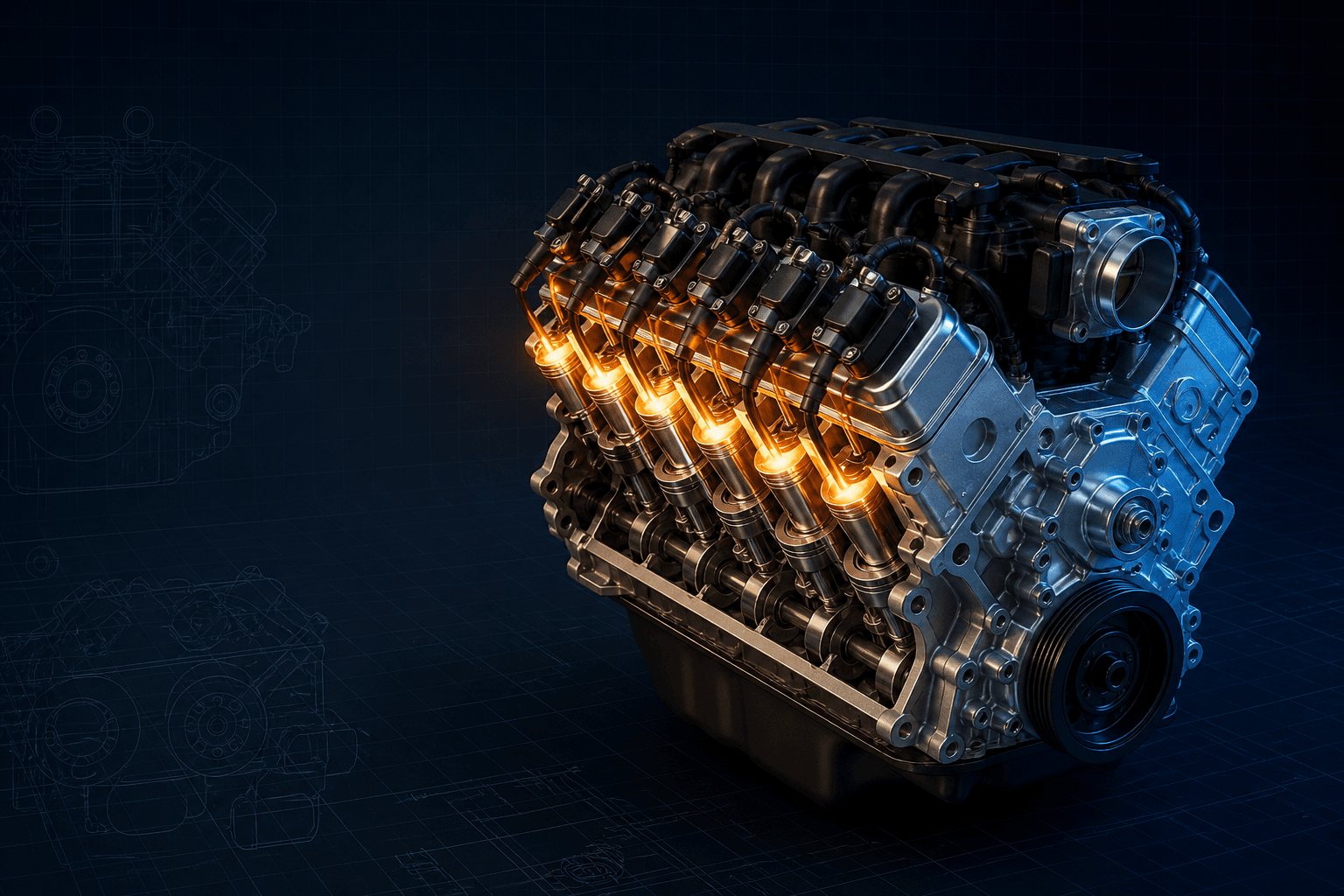
Interactive Audi 2.7T timing-tool map
Branded downloads includedPNG and PDF exports carry the TorqueSheet logo, torquesheet.com, source-page URL, and republishing attribution request. The PDF source link is clickable.
Functional front-engine view of the crank lock, cam plates, floating sprockets and belt tensioning system. Tool seating and physical mark shapes must follow the exact workshop illustration.
Audi 2.7t Timing Belt Mark Diagram
| APPLICATION / ITEM | SPECIFICATION | NOTES |
|---|---|---|
| Crank lock | Tool 3242 in left-side block TDC drilling | Do not rotate while feeling for the hole |
| Cam lock | Bar 3391 across both cam securing plates | Large plate holes face inward |
| Cam sprockets | Taper fit; loosen and float during tensioning | Hand-tight without axial movement |
| APB belt pretension | 15 N·m at tensioning roller | Use exact tool/direction in workshop procedure |
| Final electronic check | Bank cam phase/correlation scan data | Mechanical lock-tool verification comes first |
The 2.7T belt drives the exhaust camshaft on each bank; short chains and hydraulic adjusters drive the intake cams inside the cylinder heads. The APB factory procedure uses a slowly compressed oil-damped tensioning element, locking pin T40011 and a 15 N·m roller pretension before cam-sprocket tightening. BEL production and updated tensioner kits must be matched by VIN and parts data rather than assumed identical.
How to use this specification correctly
- 01
Read the engine code and VIN; confirm APB, BEL or another 2.7 biturbo variant and obtain the matching Audi erWin repair and parts procedures.
- 02
Place the front lock carrier in service position, remove belt covers and inspect the existing crank/cam orientation before loosening anything. Record correlation data if the engine runs.
- 03
Turn only clockwise at the crank center bolt until the pulley TDC marks align. Confirm the large holes in both cam securing plates face inward; if they face outward, rotate the crank one additional full turn.
- 04
Remove the left-side cylinder-block sealing plug, locate the crank TDC drilling without turning the engine while a finger/tool is in the hole, then install and tighten crank pin 3242 by the workshop method.
- 05
Fit cam bar 3391 fully across both securing plates. Remove the vibration damper using its specified fasteners; the factory APB procedure does not require loosening the central crank bolt for damper removal.
- 06
Slowly rotate the tensioning roller to compress the oil-damped element until pin T40011 can pass through its plunger and housing. Release roller force gradually and remove the belt.
- 07
Inspect belt, water pump, idlers, tensioning lever/roller, damper and every seal. Replace contaminated, rough or leaking components and match updated parts by VIN.
- 08
With cam bar installed, loosen each cam bolt about five turns, remove the bar and use puller T40001 to release both sprockets from their tapers. Refit them hand-tight so they rotate but cannot move axially.
- 09
Route the new belt exactly as illustrated, reinstall cam bar 3391, rotate the tensioning roller until T40011 can be removed and apply the APB procedure's 15 N·m pretension in the specified direction. Tighten the cam sprocket bolts while the shafts remain locked.
- 10
Remove locks, rotate the crank clockwise by hand through two full revolutions, return exactly to TDC and prove that crank pin and cam bar reinstall without forcing. Reassemble, start, inspect tracking/leaks and compare both banks' cam phase values with the engine-code diagnostic specification.
TDC and inward-facing cam-plate holes
The crank pulley marks establish the approach to TDC, while the block drilling accepts pin 3242 to lock the crank precisely. The cam securing plates have unequal holes; at the correct firing phase their larger holes face inward toward the center of the engine.
If the larger holes face outward, the crank is at the other revolution. Turn clockwise one full revolution rather than trying to install the cam bar backward or forcing it onto misphased plates.
Why both cam sprockets must float
The sprockets are clamped to tapered cam noses and are not keyed. Releasing both tapers while the camshafts are held lets belt tension move the sprockets without moving the valves. Once the specified preload is established, the sprocket bolts lock that equilibrium in place.
Installing a belt against fixed sprockets can leave one bank carrying slack and the other advanced or retarded after the tensioner deploys. Matching old paint marks does not correct that distribution.
Tensioner and locking-tool safety
The APB tensioning element is oil damped and must be compressed slowly with constant force. Abrupt vise or lever force can damage it. T40011 is a retaining pin, not a device for forcing a misaligned plunger hole.
Never use the cam bar or crank pin as a counterhold for high-torque fasteners unless the factory procedure explicitly instructs it. Use the dedicated counterhold/puller tools so locking plates and block threads are not overloaded.
Front belt versus rear cam chains
The timing belt coordinates the crank with both exhaust cams. Inside each head, a short chain coordinates intake to exhaust and the adjuster changes intake phase. A bank-specific correlation problem after head work may therefore remain even when the front bar fits.
When cam chains were disturbed, verify bearing-cap arrows, chain roller count, adjuster state and rotor installation by the head-specific manual. Then confirm both bank phase values with a scan tool after oil pressure is established.
Final verification checklist
- VIN and engine code confirmed
- Correct APB/BEL tensioner parts identified
- Pulley TDC marks aligned
- Large cam-plate holes facing inward
- Crank pin 3242 fully engaged
- Cam bar 3391 seated without force
- Both cam taper sprockets released and allowed to float
- Belt routed with all rollers/pump inspected
- T40011 removed after specified pretension
- Cam bolts tightened by exact procedure
- Two clockwise hand revolutions completed
- Crank pin and cam bar refit at TDC
- Rear cam-chain timing checked if disturbed
- Both bank phase values checked after startup
Audi 2.7L V6 Biturbo APB / BEL specifications can change by model year, engine, platform, wheel, and installed component. Confirm the VIN or engine identity, part numbers, fastener condition, and the current manufacturer instructions before service.
Audi 2.7T Timing Belt Alignment: Crank Pin and Cam Lock Bar FAQs
Which way should the Audi 2.7T cam-plate holes face at TDC?+
The larger holes in the two cam securing plates face inward toward each other. If they face outward, rotate the crank clockwise one full turn.
Do I need the Audi 2.7T cam lock bar for a timing belt?+
Yes for the factory method. Bar 3391 holds both camshafts while the taper-fit sprockets float and the belt is tensioned.
Why loosen the 2.7T cam sprockets?+
Because they are taper fit. Allowing both sprockets to float equalizes belt tension across the two banks without moving the locked camshafts.
Does the large crank center bolt need removal?+
Not for vibration-damper removal in the cited APB procedure. Follow the exact fastener drawing and do not disturb the center bolt unnecessarily.
Can the crank pin hold the engine while tightening bolts?+
Do not use it as a general counterhold. Use the factory-specified counterholding tools so the block threads and timing lock are not overloaded.
Does a fitting cam bar prove the intake cams are timed?+
It proves the belt-driven cam plate positions. If rear cam chains or adjusters were disturbed, verify their roller/mark procedure separately and check scan data.
Technical sources
TorqueSheet favors engine- and component-specific manufacturer instructions over unsourced universal values.
1Audi erWin technical informationOfficial Audi repair and technical information portal.↗