Toyota 4Runner 4.0L Timing Chain: 1GR-FE Architecture and Marks
Toyota 4Runner 1GR-FE 4.0 timing-chain guide explaining main and secondary chains, idler gear, single- versus dual-VVT-i variants.
The Toyota 4Runner 4.0L 1GR-FE timing drive is not one simple crank-to-two-cam chain. It uses a No. 1 main chain from the crankshaft sprocket to a central idler gear, plus bank-specific secondary chains that drive the camshafts. Guides and three tensioner assemblies control the main and secondary chains. Align crank, idler and cam/VVT gear marks with the designated colored links in the exact Toyota repair-manual sequence for the VIN and production date; early single-VVT-i and later dual-VVT-i engines do not share one universal cam-gear diagram.
A 4Runner 4.0 timing-chain search often returns a simplified drawing with the crank at the bottom and four cam gears at the top. What it hides is the central idler system: the crank drives the idler with the main chain, and separate secondary chains distribute timing within each bank. A mistake at the idler affects both banks even if the cam marks appear symmetrical.
The 1GR-FE also evolved during the 4Runner's production. Earlier North American 4Runner engines use VVT-i on the intake cams; later fifth-generation engines use dual VVT-i. The number and behavior of phaser-equipped gears changes the holding and verification procedure even though the block still says 1GR-FE.
This page provides a research-backed architecture and workflow but remains visibly limited until separate early and late Toyota TIS diagrams are attached. That prevents a visually polished early-engine diagram from being served as a late-engine repair instruction.
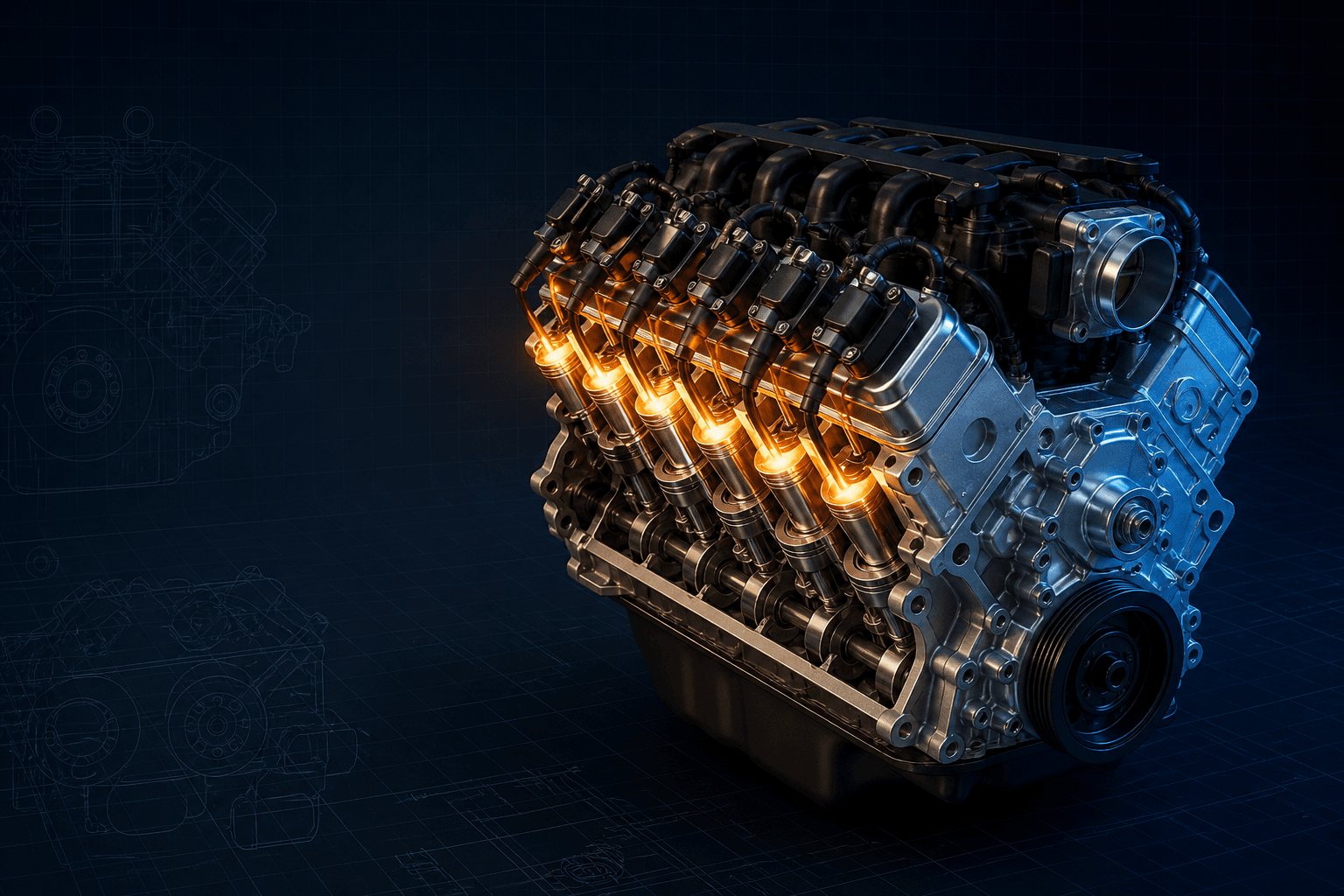
Interactive 1GR-FE chain architecture
Branded downloads includedPNG and PDF exports carry the TorqueSheet logo, torquesheet.com, source-page URL, and republishing attribution request. The PDF source link is clickable.
Functional three-chain map. It shows relationships, not a universal colored-link placement; select the exact year procedure before assembly.
Toyota 4runner 4.0 V6 Timing Chain Diagram
| APPLICATION / ITEM | SPECIFICATION | NOTES |
|---|---|---|
| No. 1 chain | Crankshaft to central idler gear | Main timing chain |
| Secondary chains | One per cylinder bank | Camshaft/VVT gear timing |
| Tensioners | Main tensioner plus bank tensioners | Install/release in Toyota sequence |
| Early configuration | Intake-cam VVT-i | 4th-generation application procedure required |
| Later configuration | Dual VVT-i | 5th-generation application procedure required |
Toyota's 2005 4Runner procedure explicitly sends secondary-chain work to the RH- or LH-bank camshaft procedure, while the main-chain procedure handles the crank and idler. Later 1GR-FE versions add phasing on the exhaust cams. Never remove or torque a VVT gear without the specified locked/unlocked state, holding method and oil-control precautions.
How to use this specification correctly
- 01
Decode VIN, model year and production date; confirm the engine is 1GR-FE and determine single- or dual-VVT-i configuration in Toyota TIS.
- 02
Record cam/crank correlation DTCs and actual VVT data before disassembly. Rule out oil level, viscosity, filter and VVT-solenoid faults when diagnosing noise or correlation.
- 03
Follow the vehicle procedure for battery, coolant/oil, steering/differential, accessories, covers and oil-pan sealing access. This is an extensive front-cover job.
- 04
Set No. 1 cylinder to TDC/compression and confirm every Toyota timing reference. If cam marks are on the opposite stroke, rotate the crank one complete turn as directed.
- 05
Lock or mark the identified VVT gears and chains only as the exact procedure permits. Do not rotate crank or cams independently after tension is removed.
- 06
Service the bank-specific secondary chains using the RH and LH camshaft procedures. Match designated chain links to the correct intake/exhaust gear marks and install each bank tensioner/guide in order.
- 07
Install the central idler gear and No. 1 main chain with the specified marked links aligned to idler and crank references. Preserve required slack on the tensioner side.
- 08
Install main guides and the compressed/latched No. 1 tensioner. Recheck all main and secondary references before releasing any tensioner.
- 09
Rotate the crankshaft clockwise by hand through 720 degrees and return to TDC. Stop on unexpected resistance and reopen the timing verification.
- 10
Recheck permanent gear marks and VVT positions, not the expectation that all colored links will immediately return. Complete Toyota sealant, oil-pump/front-cover alignment and startup checks.
Main chain, idler gear and secondary chains
The No. 1 chain transfers crankshaft motion to a central idler gear. The idler then drives one short secondary chain on each bank. Toyota repair information therefore treats main-chain replacement and bank camshaft-chain work as related but distinct procedures.
When rebuilding from an unknown disassembled state, establish each bank's cam relationship before connecting it to the idler/main chain. Marking only the old main chain does not preserve intake-to-exhaust cam phase within a bank.
Single-VVT-i versus dual-VVT-i
Early 1GR-FE 4Runner applications vary intake cam timing. Later engines add VVT control to exhaust cams. This changes which sprockets are phasers, the oil passages/bolts involved and the gear locking states during service.
Do not infer generation only from vehicle appearance. Confirm year, production date and actual cam gear part numbers; replacement engines can cross model years.
Colored links and permanent marks
Toyota chains use designated colored or plated links for assembly. Each link group belongs to a particular crank, idler or cam-gear mark. Chain orientation and the visible face of a mark matter, especially around the central idler.
Colored links are not a two-revolution inspection system. After hand rotation, verify the permanent crank/cam references and procedure-specified VVT positions. Repetition of every colored-link position can require many revolutions.
VVT gear handling
A VVT gear contains internal oil chambers and a locking mechanism. The service procedure may require it locked at a base position for installation and may prescribe air/oil tests before reuse. Clamping across the housing or applying bolt torque through the chain can damage it.
Keep caps, oil ports and sealing surfaces clean. A phaser that is installed one index off, left unlocked or starved of oil can produce startup rattle, rough running and cam/crank correlation codes even when the main chain appears correctly routed.
Final verification checklist
- VIN/production-date TIS procedure selected
- Single- or dual-VVT-i configuration confirmed
- RH and LH secondary chains timed independently
- Central idler marks identified on correct face
- Main-chain links matched to crank and idler
- All guides and three tensioners installed in order
- VVT gears in specified locked/base state
- Crank rotates 720 degrees smoothly
- Permanent timing references rechecked at TDC
- Oil, coolant, front-cover sealant and scan-data checks completed
Toyota 4Runner 4.0L 1GR-FE V6 specifications can change by model year, engine, platform, wheel, and installed component. Confirm the VIN or engine identity, part numbers, fastener condition, and the current manufacturer instructions before service.
Toyota 4Runner 4.0L Timing Chain: 1GR-FE Architecture and Marks FAQs
How many timing chains does a Toyota 1GR-FE have?+
The architecture uses one main crank-to-idler chain and two bank-specific secondary cam chains.
Do all 4Runner 4.0 engines use the same timing diagram?+
No. Earlier and later 1GR-FE applications differ in VVT configuration and procedure. Select by VIN, year and production date.
Should colored chain links realign after two crank revolutions?+
Usually not. Use permanent gear marks and the Toyota verification procedure after returning the crank to TDC.
Can I replace only the main chain?+
Toyota separates main and secondary procedures, but diagnosis and inspection must determine which chains, guides, tensioners or gears require service. Do not assume the secondary timing is correct in an unknown engine.
Is a 4Runner 4.0 timing-chain rattle always a stretched chain?+
No. Oil supply, tensioners, guides, VVT gears and control solenoids can produce similar symptoms. Diagnose codes, oil condition and VVT data first.
Can I rotate the cams after removing the main chain?+
Only in the controlled positions and direction allowed by the exact Toyota procedure. Independent movement can cause valve-to-piston or valve-to-valve contact.
Technical sources
TorqueSheet favors engine- and component-specific manufacturer instructions over unsourced universal values.
1Toyota Technical Information SystemToyota identifies TIS repair manuals and technical information as the factory service source for North American vehicles.↗