Nissan SR20DET Valve Clearance and Lash-Adjuster Diagram
SR20DET hydraulic lash-adjuster guide explaining why stock engines have no routine screw-type lash spec, plus inspection and solid-pivot boundaries.
A stock SR20DET uses hydraulic lash adjusters, so there is no routine cold screw-and-locknut valve-clearance specification to set. Nissan service information treats the hydraulic adjuster as an inspected component, while the rocker shims/guides preserve the rocker-to-valve geometry. A measurable cam-clearance setup applies after a solid-pivot conversion and must use that kit and camshaft manufacturer's shim-selection specification.
A valve-adjustment diagram is useful only after the valvetrain is identified. Engines grouped under the Nissan SR20DET name can use hydraulic lifters, mechanical lash, pedestal rockers, screw adjusters or selective buckets. Those systems do not share one clearance or one adjustment technique.
Nissan's SR20 service material identifies hydraulic lash adjusters. Their job is to remove operating clearance with engine-oil pressure, so a generic cold lash chart is the wrong service model.
Use the interactive sequence as a position-and-recording aid. It does not replace the exact service manual, cam card or cylinder-head instructions. Record every starting measurement, keep reused parts in their original positions and turn the crankshaft by hand before starting the engine.
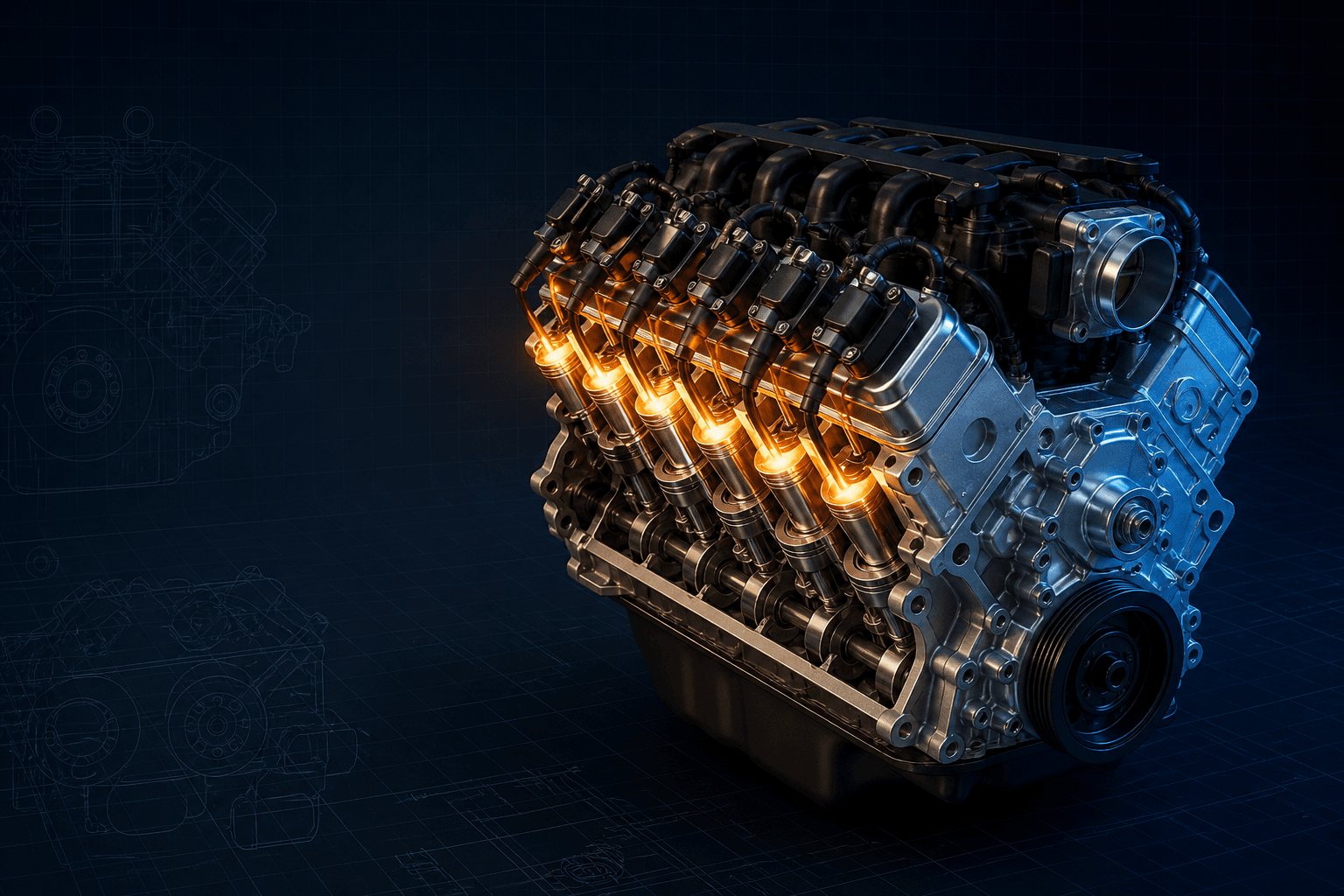
Interactive SR20DET valvetrain decision diagram
Branded downloads includedPNG and PDF exports carry the TorqueSheet logo, torquesheet.com, source-page URL, and republishing attribution request. The PDF source link is clickable.
Identify stock hydraulic or converted solid-pivot hardware before measuring or changing shims.
Nissan Sr20det Valve Clearance Spec Diagram
| APPLICATION / ITEM | SPECIFICATION | NOTES |
|---|---|---|
| Stock lash setting | Hydraulic / self-compensating | No periodic screw adjustment |
| HLA inspection | Use Nissan FSM | Wear, movement and oil condition |
| Rocker shims | Location/selection critical | Do not mix during service |
| Solid-pivot conversion | Use kit/cam specification | Requires measured clearance |
Do not respond to SR20 valvetrain noise by inventing a feeler-gauge lash number. Check oil condition and pressure, hydraulic-adjuster operation, rocker/shim placement and cam wear.
How to use this specification correctly
- 01
Confirm the engine code, model year, cylinder-head casting and whether the valvetrain is original. Obtain the exact vehicle service procedure or the cam, lifter and rocker instructions for modified hardware.
- 02
Let the engine reach the specified hot or cold condition. Disconnect the battery when removing powered components, protect open oil drains and label coils, hoses, brackets and cover fasteners.
- 03
Remove the cover without dropping debris into the head. Inspect oil supply, springs, retainers, rocker tips, cam lobes and pushrods before changing an adjuster; mechanical damage cannot be repaired by hiding it with a tighter setting.
- 04
Rotate the crankshaft only in its normal direction with the specified socket. Put the valve being measured on the cam lobe's base circle or place the named cylinder at compression TDC according to the selected source.
- 05
Measure with clean gauges held square to the specified contact surfaces. A gauge should have an even light drag; forcing it through or measuring at an angle gives a false result.
- 06
For stock hardware, inspect oil supply, lash-adjuster contact/sliding surfaces and adjuster movement using the factory procedure. Keep every rocker, shim and guide identified by original position.
- 07
For a solid-pivot conversion, measure and select shims only by the conversion and camshaft instructions; record both legs of every rocker and recheck after assembly.
- 08
Rotate the crankshaft through two complete revolutions by hand. Recheck timing marks, all adjusted positions and free movement before reinstalling covers with serviceable seals.
- 09
After startup, confirm oil pressure and listen for abnormal ticking. A persistent noise, misfire or low compression requires diagnosis of oiling, cam wear, lifter condition, valve seating and geometry rather than another blind adjustment.
Application and valvetrain boundaries
Nissan's SR20 service material identifies hydraulic lash adjusters. Their job is to remove operating clearance with engine-oil pressure, so a generic cold lash chart is the wrong service model.
SR20 rocker shims and guides are not permission to set conventional lash. Keep them paired and oriented. Tomei's solid-pivot instructions explicitly create a different system that requires calculated cam clearance.
How to use the interactive diagram
Select each point in order and mark that position on a worksheet only after the cam is on its base circle. The point labels describe the documented workflow; they are not a universal permission to tighten every rocker at once.
When a procedure uses two crank positions, finish the listed valves at the first position, rotate exactly as directed and complete the remaining group. When it follows firing order, move one cylinder at a time and verify compression TDC.
Measurement and adjustment notes
For stock hardware, inspect oil supply, lash-adjuster contact/sliding surfaces and adjuster movement using the factory procedure. Keep every rocker, shim and guide identified by original position.
For a solid-pivot conversion, measure and select shims only by the conversion and camshaft instructions; record both legs of every rocker and recheck after assembly.
Mistakes that damage valves or camshafts
- Publishing a universal SR20DET feeler-gauge clearance
- Bleeding or compressing an HLA with dirty solvent
- Mixing rocker shims between valves
- Treating a solid-pivot cam card as a stock HLA specification
- Ignoring low oil pressure or aerated oil
Before the covers go back on
- Every measurement recorded by cylinder and intake/exhaust position
- Locknuts or pedestal bolts tightened with the specified tool and torque
- Pushrods seated in lifter cups and rocker seats
- Oil passages, seals and cover rails clean
- Crankshaft turned by hand with no binding
- Engine-specific firing order and timing marks rechecked
Nissan Nissan SR20DET specifications can change by model year, engine, platform, wheel, and installed component. Confirm the VIN or engine identity, part numbers, fastener condition, and the current manufacturer instructions before service.
Nissan SR20DET Valve Clearance and Lash-Adjuster Diagram FAQs
What is stock SR20DET valve clearance?+
The stock engine uses hydraulic lash adjusters and does not have a routine screw-adjusted cold lash setting.
Why does an SR20DET have rocker shims?+
They establish rocker/valve geometry and must stay correctly selected and located; the hydraulic adjuster still controls lash in the stock system.
Should valve clearance be checked hot or cold?+
Use the condition stated by the exact procedure. Temperature changes the dimensions of the head, valves and valvetrain, so a hot specification cannot silently be used cold.
Can a noisy valve be fixed by tightening it more?+
Not safely. Noise may come from low oil pressure, a collapsed hydraulic adjuster, worn cam, bent pushrod, damaged rocker, excessive clearance or an exhaust leak. Diagnose the cause first.
Why must the cam lobe be on its base circle?+
The base circle is the non-lifting portion of the cam. Measuring or setting preload while the lobe is opening a valve creates a false setting and can hold the valve off its seat.
Technical sources
TorqueSheet favors engine- and component-specific manufacturer instructions over unsourced universal values.
1Nissan S14 SR20DET factory service manual indexNICOclub's factory-manual archive supplies the S14 SR20DET engine-mechanical source used to identify the hydraulic lash-adjuster valvetrain.↗2Nissan SR20 engine-mechanical hydraulic lash-adjuster inspectionNissan's SR20 service material treats the hydraulic lash adjuster as an inspected component rather than publishing periodic screw-and-locknut valve lash.↗3Tomei SR20 solid-pivot conversion instructionsThe component maker explains that stock SR20 engines use hydraulic lash adjusters and that measurable cam-clearance setup belongs to its solid-pivot conversion.↗