Dodge 360 Head Bolt Torque Specs: LA vs. 5.9 Magnum
Dodge 360 Head Bolt Torque Specs: LA vs. 5.9 Magnum with application boundaries, staged tightening guidance.
The covered 1994 Dodge 5.9L Magnum service procedure tightens the head bolts in sequence to 50 lb-ft, then repeats the sequence to a final 105 lb-ft. Do not transfer that chart automatically to every earlier LA 360 or an aftermarket head/stud build.
The covered 1994 Dodge 5.9L Magnum service procedure tightens the head bolts in sequence to 50 lb-ft, then repeats the sequence to a final 105 lb-ft. Do not transfer that chart automatically to every earlier LA 360 or an aftermarket head/stud build.
The numerical chart is for the documented 1994 5.9L Magnum factory-bolt application. Earlier LA passenger, truck and marine engines—and aluminum heads or stud kits—must use their exact casting, gasket and fastener instructions.
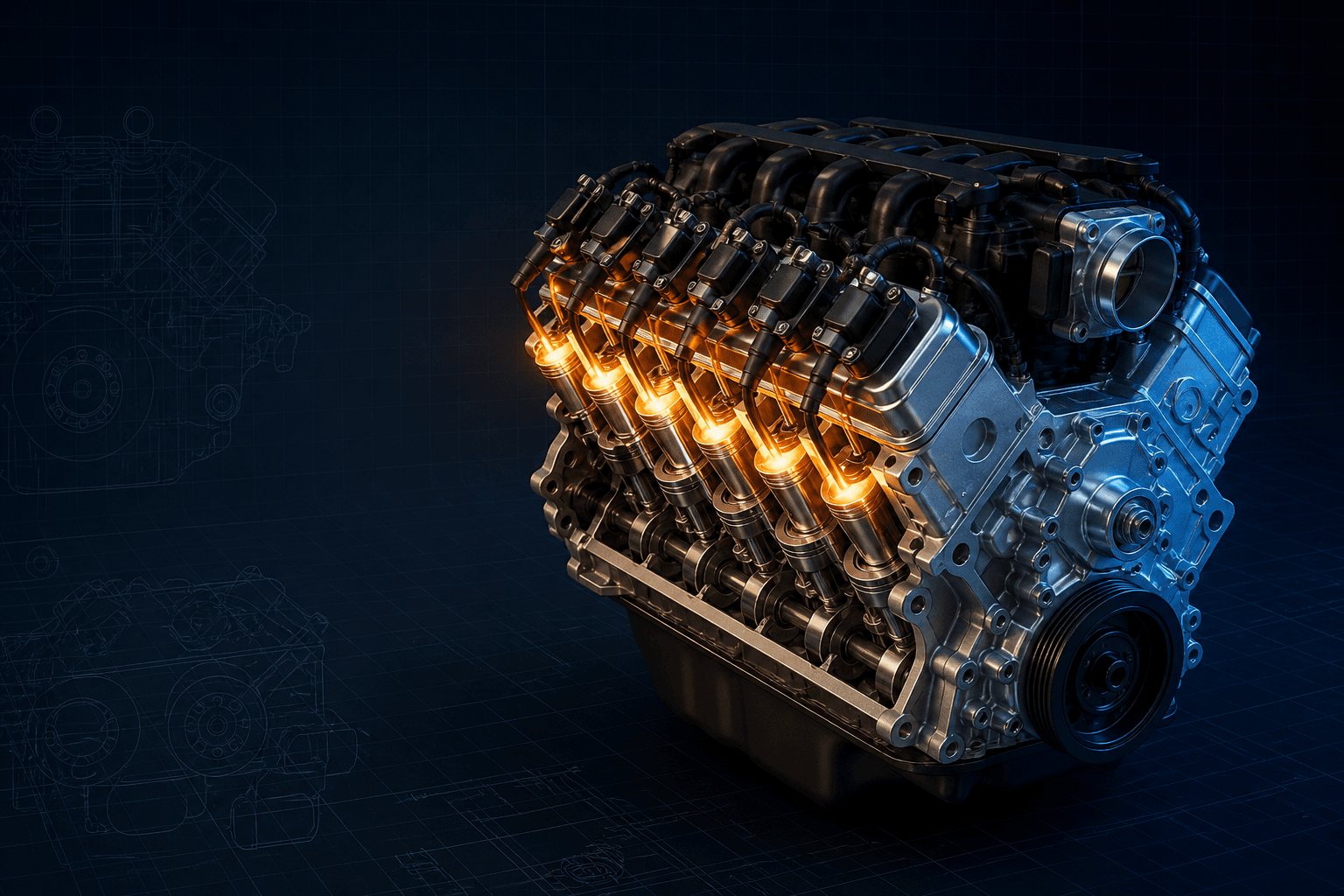
Interactive 360 / 5.9L Magnum V8 center-out sequence aid
Branded downloads includedPNG and PDF exports carry the TorqueSheet logo, torquesheet.com, source-page URL, and republishing attribution request. The PDF source link is clickable.
This balanced pattern is an orientation aid; use the exact numbered manufacturer diagram for assembly.
Dodge 360 Head Bolt Torque Specs
| APPLICATION / ITEM | SPECIFICATION | NOTES |
|---|---|---|
| 1994 5.9L Magnum stage 1 | 50 lb-ft (68 N·m) | Follow the numbered sequence |
| 1994 5.9L Magnum stage 2 | 105 lb-ft (142 N·m) | Repeat the complete sequence |
| Earlier LA 360 | Year/casting-specific | Do not assume the Magnum chart |
| Aftermarket heads or studs | Component-maker procedure | Specified lubricant controls |
Keep pushrods and rocker assemblies identified, clean the deck and bolt holes, start every bolt by hand, and complete both passes in the service manual's numbered center-out pattern. Fastener lubricant or sealant changes clamping load.
Application boundaries for 360 / 5.9L Magnum V8
The numerical chart is for the documented 1994 5.9L Magnum factory-bolt application. Earlier LA passenger, truck and marine engines—and aluminum heads or stud kits—must use their exact casting, gasket and fastener instructions.
Keep pushrods and rocker assemblies identified, clean the deck and bolt holes, start every bolt by hand, and complete both passes in the service manual's numbered center-out pattern. Fastener lubricant or sealant changes clamping load.
Dodge 360 / 5.9L Magnum V8 specifications can change by model year, engine, platform, wheel, and installed component. Confirm the VIN or engine identity, part numbers, fastener condition, and the current manufacturer instructions before service.
Procedures used with this specification
These steps are the same for every vehicle in this family, so they are documented once rather than repeated on each page. The values above remain specific to this Dodge 360 / 5.9L Magnum V8.
Dodge 360 Head Bolt Torque Specs: LA vs. 5.9 Magnum FAQs
What is the head bolt torque on a Dodge 360?+
The covered 1994 5.9L Magnum procedure tightens in sequence to 50 lb-ft (68 N·m), then repeats the full sequence to a final 105 lb-ft (142 N·m).
Can I use the Magnum chart on an earlier LA 360?+
No. The numerical chart is tied to the documented 1994 5.9L Magnum factory-bolt application. Earlier LA passenger, truck and marine engines are year- and casting-specific and must use their own instructions.
What should I keep track of during disassembly?+
Keep the pushrods and rocker assemblies identified so they return to their original positions, and clean the deck and bolt holes before starting every bolt by hand.
Does lubricant on the bolts change the result?+
Yes — fastener lubricant or sealant changes the clamping load a given torque produces, which is why aluminum heads and stud kits use the component maker's procedure rather than the 50/105 figures.
Technical sources
TorqueSheet favors engine- and component-specific manufacturer instructions over unsourced universal values.
1Mopar vehicle informationOfficial Dodge, Ram, Chrysler and Jeep model-year information lookup.↗