Chevrolet Performance 350 Harmonic Balancer Bolt Torque
Chevrolet Performance 350 Harmonic Balancer Bolt Torque with application boundaries, staged installation guidance.
Chevrolet Performance specifies 63 lb-ft (85 N·m) for the crankshaft-balancer retaining bolt on its covered 350/290 HP long-block package. The separate balancer-pulley bolts use 35 lb-ft (47 N·m).
Chevrolet Performance specifies 63 lb-ft (85 N·m) for the crankshaft-balancer retaining bolt on its covered 350/290 HP long-block package. The separate balancer-pulley bolts use 35 lb-ft (47 N·m).
These values apply to Chevrolet Performance 350/290 package 19172591 with its intended threaded crank snout, damper and hardware. Early press-fit arrangements, production engines with different charts, aftermarket dampers and reusable performance bolts require separate instructions.
Align the key and seat the balancer with a dedicated installer before applying the retaining-bolt torque. Never hammer the damper or use the final bolt to draw the hub from the end of the crankshaft; inspect the hub bore, keyway and elastomer if installation force is abnormal.
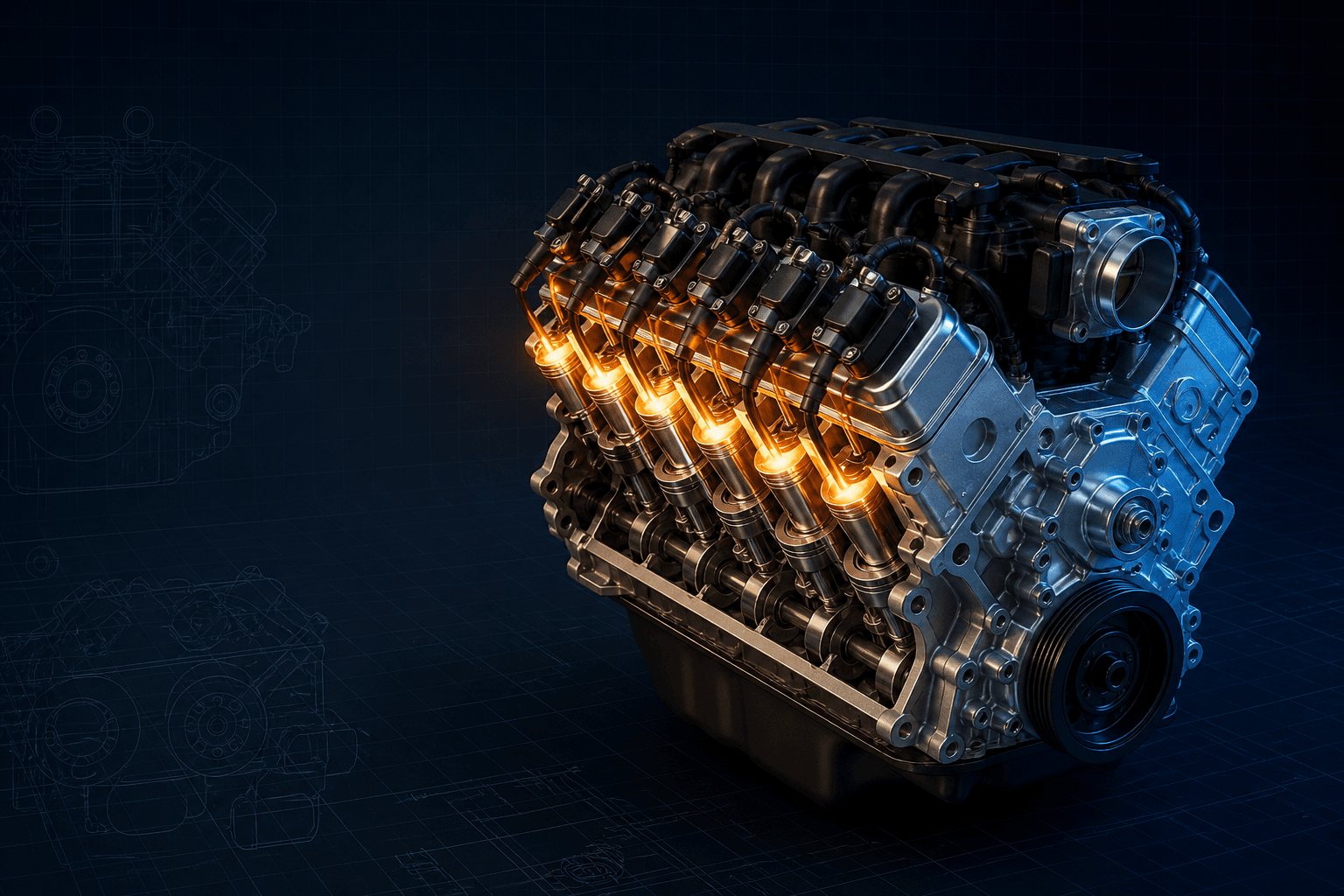
Interactive Chevrolet Performance 350/290 HP V8 timing service map
Branded downloads includedPNG and PDF exports carry the TorqueSheet logo, torquesheet.com, source-page URL, and republishing attribution request. The PDF source link is clickable.
Use the numbered map as an orientation aid only. The application-specific service diagram controls the actual bolt positions and stages.
Chevy 350 Harmonic Balancer Torque Spec
| APPLICATION / ITEM | SPECIFICATION | NOTES |
|---|---|---|
| Crankshaft balancer retaining bolt | 63 lb-ft | 85 N·m; covered Chevrolet Performance engine |
| Balancer pulley bolts | 35 lb-ft | 47 N·m; separate fastener group |
| Damper installation | Dedicated installer | Seat before retaining-bolt torque |
| Aftermarket damper or bolt | Manufacturer procedure | Washer and lubricant may differ |
Align the key and seat the balancer with a dedicated installer before applying the retaining-bolt torque. Never hammer the damper or use the final bolt to draw the hub from the end of the crankshaft; inspect the hub bore, keyway and elastomer if installation force is abnormal.
How to use this specification correctly
- 01
Identify the engine code, model year, casting, gasket and exact fastener kit before disassembly.
- 02
Clean and inspect threads, bolt holes and mating faces using the component manufacturer's limits.
- 03
Follow the exact staged pattern with the specified lubricant or sealant; record torque and angle completion.
Retaining bolt versus pulley bolts
Chevrolet Performance lists 63 lb-ft for the center balancer retaining bolt and 35 lb-ft for the bolts attaching the pulley to the balancer. They differ in size and purpose; do not apply the center-bolt setting around the pulley flange.
Confirm the washer and key are correct and inspect the elastomer for separation. A visibly shifted inertia ring requires damper replacement, not a tighter center bolt.
Use the installer before final torque
Thread the proper installer deeply into the crankshaft and press on the hub, never the outer inertia ring. Align the keyway and stop if force rises unexpectedly so burrs, a displaced key or the wrong bore can be corrected.
The final retaining bolt supplies clamp after seating; using it to drag the damper the entire distance risks stripping the first crank threads. Aftermarket dampers and reusable performance bolts follow their matched lubricant and torque instructions.
Why Chevrolet Performance 350/290 HP V8 identification changes the specification
These values apply to Chevrolet Performance 350/290 package 19172591 with its intended threaded crank snout, damper and hardware. Early press-fit arrangements, production engines with different charts, aftermarket dampers and reusable performance bolts require separate instructions.
Align the key and seat the balancer with a dedicated installer before applying the retaining-bolt torque. Never hammer the damper or use the final bolt to draw the hub from the end of the crankshaft; inspect the hub bore, keyway and elastomer if installation force is abnormal.
Assembly controls that prevent false torque
- Use the specified thread condition and lubricant.
- Separate main bolts from small or special-position fasteners.
- Use an angle gauge where torque-to-yield stages are specified.
- Stop if a fastener reaches the setting before the joint seats normally.
Chevrolet Chevrolet Performance 350/290 HP V8 specifications can change by model year, engine, platform, wheel, and installed component. Confirm the VIN or engine identity, part numbers, fastener condition, and the current manufacturer instructions before service.
Chevrolet Performance 350 Harmonic Balancer Bolt Torque FAQs
What is the Chevrolet Performance 350 balancer-bolt torque?+
The covered 350/290 HP package specifies 63 lb-ft (85 N·m).
What is the balancer-pulley bolt torque?+
The separate pulley fasteners use 35 lb-ft (47 N·m).
Can the center bolt install the damper?+
No. Seat the hub with a dedicated balancer installer before tightening the retaining bolt.
Does every production Chevy 350 use 63 lb-ft?+
No. This page is anchored to the Chevrolet Performance 350/290 package; other engines require their own chart.
Technical sources
TorqueSheet favors engine- and component-specific manufacturer instructions over unsourced universal values.
1Chevrolet Performance 350/290 HP long-block specificationsPrimary Chevrolet Performance guide listing 63 lb-ft for the crankshaft-balancer bolt and 35 lb-ft for the balancer pulley on the covered engine.↗